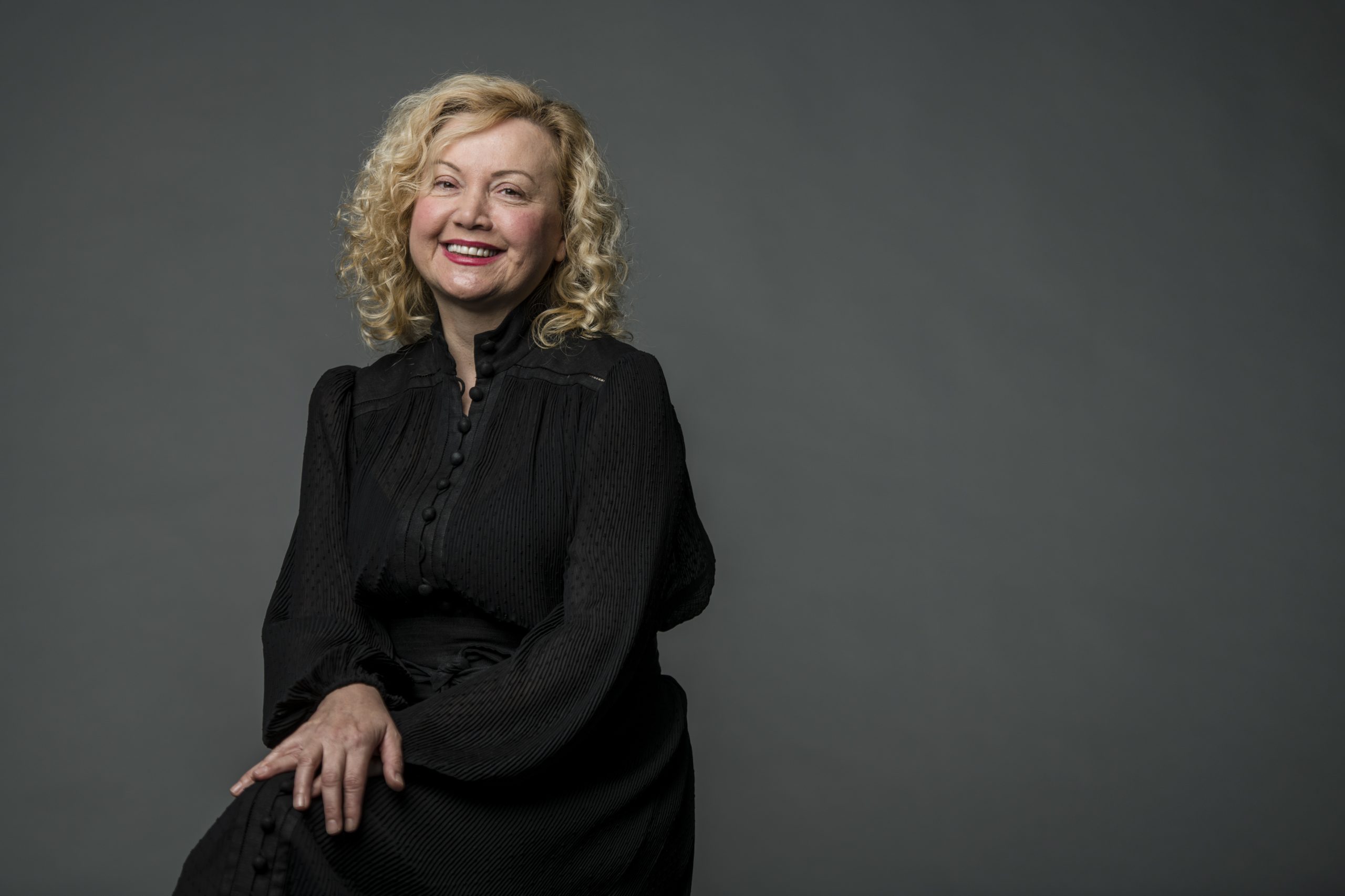
With the business acumen she acquired through the Master of Entrepreneurship program, CSIRO research scientist Karolina Petkovic is helping founders take their innovative ideas to market – including one of her own.
After two decades as a research scientist at CSIRO, Karolina Petkovic didn’t doubt herself in the scientific domain – but business was another story. Scientists aren’t always business-savvy, which might help explain why only three percent of innovators make money from their patents. When Karolina heard that statistic, though, she vowed to become part of the remedy, turning science into commercially viable solutions.
“We need a new generation of scientists, and I was ready to re-educate myself – to walk the walk,” she says. “I didn’t have many business skills and that lack of knowledge was influencing my confidence.”
“The main value of the Master of Entrepreneurship, co-delivered with Wade Institute of Entrepreneurship, was, [it made me realise] I can do it. Starting your own business is not as scary as it sounds. I was lucky to come to the course with an already baked idea, but the program really helped me finetune it.”
In fact, when Karolina graduated in 2020, she won her cohort’s Showcase Pitch Competition with her idea for Iron WoMan, an at-home, iron-deficiency testing kit that analyses saliva rather than blood. The project is still in the pilot clinical trial phase, with data analysis ongoing. As Karolina points out, the approval process for biomedical devices usually takes at least a decade, and it’s a costly, rigorous exercise.
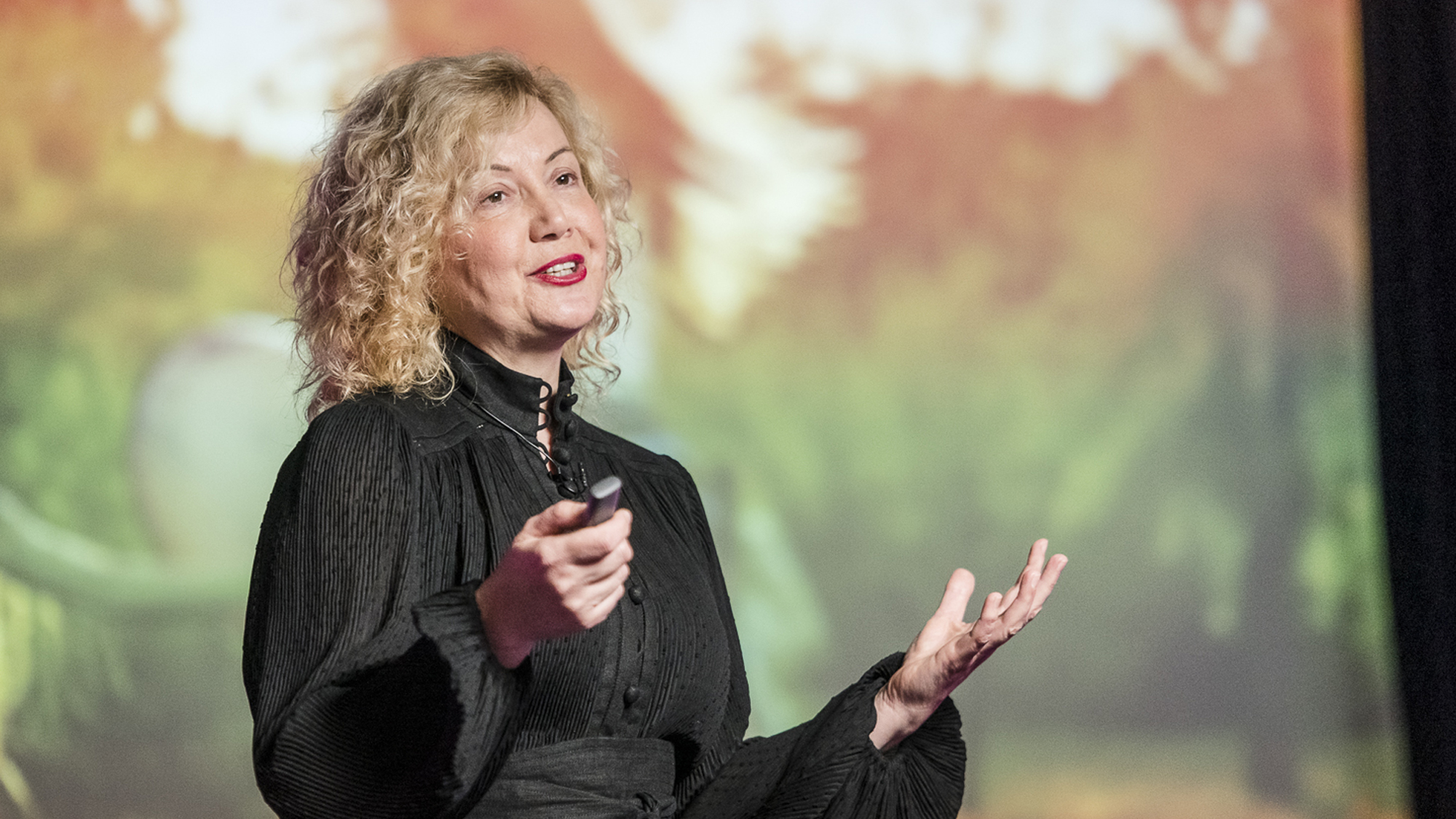
“It’s one of many different projects I’m working on in the biomedical technology space,” she says. “It’s that variety that keeps me motivated and happy.”
The University of Melbourne’s Master of Entrepreneurship has given Karolina the confidence to match her own ambition – and the knowledge and empathy to help other start-ups that approach CSIRO for research and development advice. In her work at the Australian government’s scientific research arm, Karolina gets “a lot of satisfaction and joy” out of supporting companies – because she has experienced the same challenges herself.
“I can really connect with them and understand their journey,” she says. “With my own technical skills, I can understand what the problem is and then find a solution within the organisation that supports these people. My learnings in this course have made me a better scientist.”
Karolina advises fledgling entrepreneurs to look after themselves (“because you are your business’s most valuable asset”) and to not be afraid of starting small. Failure and entrepreneurship are a package deal: “Failure is a stepping stone in everyone’s entrepreneurial journey, and in everyone’s life,” she says. “When we fail, we learn. Entrepreneurship, to me, is beauty, bravery, courage.”
The Master of Entrepreneurship program, however, offers a nurturing community to buoy budding entrepreneurs through the hard times. “The entrepreneurial journey can be very lonely and very scary,” she says. “Being able to find a community of people who can technically support you was a tremendous advantage.” Karolina says she loved the academic aspect of the course, and still refers back to her notes on subjects with Professor Colin McLeod, but what set the program apart was Wade Institute’s physical environment and the sense of support that came with it. She describes Wade Institute as a warm, cleverly designed space that encourages creativity and collaboration.
“I love coming back because it’s a beautiful place,” says Karolina. “It’s like when you have a good friend and don’t see them for a long time – and then when you do, it’s like you never parted. It’s the same connection I have with Wade and the people who are part of this community … [Coming here] was one of the best decisions I ever made.”