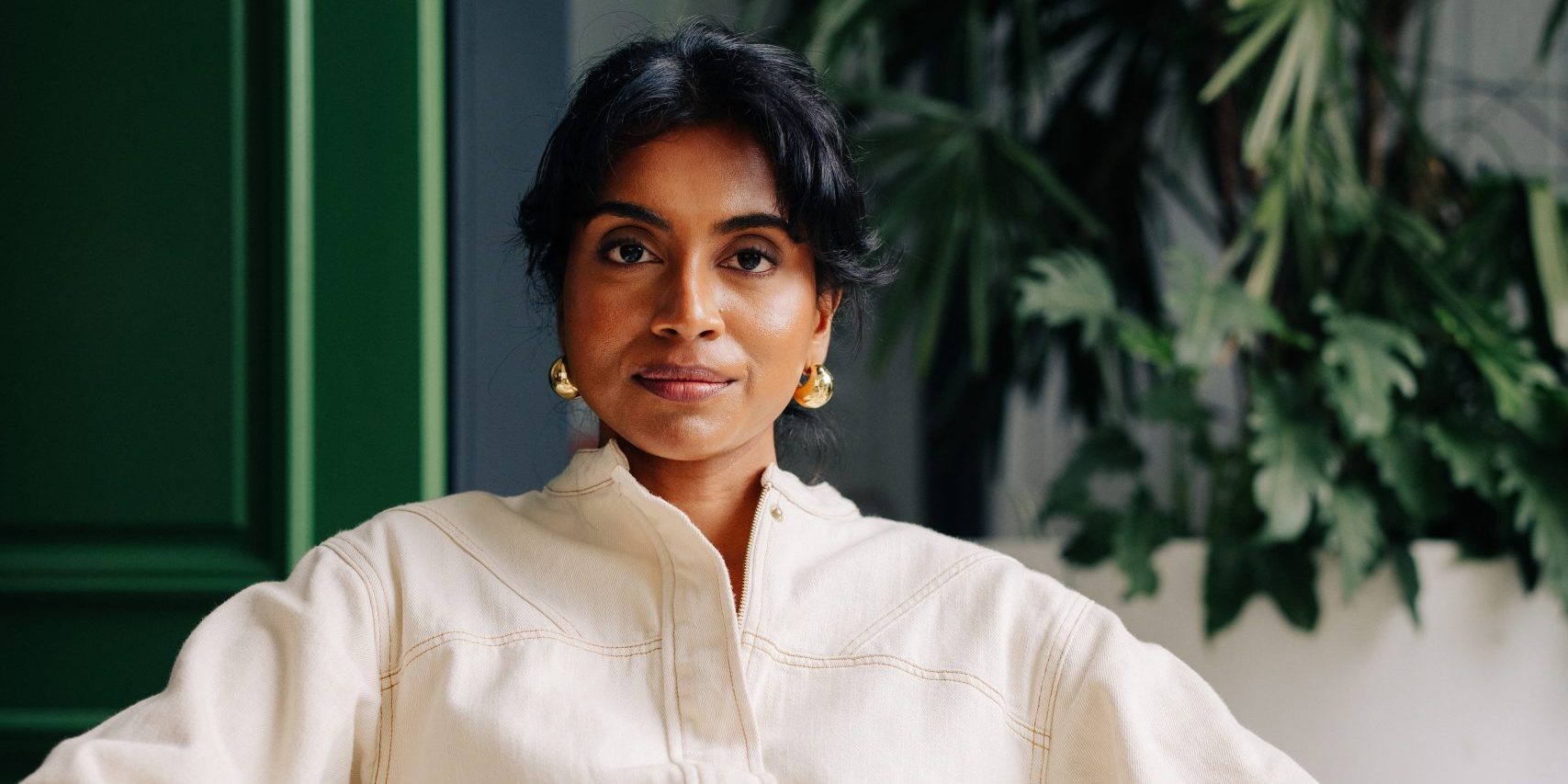
Master of Entrepreneurship graduate Daars Nadarajan has discovered that true entrepreneurial success isn’t about speedy growth or status – it’s about resilience, self-knowledge, and building something that aligns with who you really are.
When her motivation is waning, Daars Nadarajan need only read the words posted by her computer:
“Challenges are part of the journey. The ones who win … don’t give up.”
The quote encapsulates what she’s learned about entrepreneurship: successful founders are “essentially cockroaches. The most successful ones are simply the ones who don’t die”. Says Daars, “You cannot kill them. You can throw anything at them and they just keep going. They survive on pure will.”
Daars took a circuitous route, though, to reach this conclusion. In 2017, fresh from completing her Master of International Business at the University of Melbourne, she assumed consulting was the logical next step. But a conversation with Ormond College Master Rufus Black redirected her: “Why don’t you just pick a problem you want to solve and go do it yourself?” he asked. His challenge led Daars to the Master of Entrepreneurship (MoE), where she won the Naomi Milgrom scholarship.
The University of Melbourne’s MoE program, co-delivered by Wade Institute of Entrepreneurship, taught her to test ideas quickly and to fall in love with problems, not solutions. Eight years on, Daars still references her course notes, especially lessons on the business model canvas and founder ethics.
“If I have to make decisions every day, and often, there’s no precedent to guide them. What keeps me from getting stuck in decision paralysis is this: It’s okay to make a mistake, as long as your conscience is clear.”
With fellow MoE student Kassar Taleb, Daars in 2018 co-founded Shiftsimple, a startup solving the issue of quality of care in Early Childhood Education. It won Startmate accelerator funding and Daars worked on it for almost a year, but visa complications forced a painful exit. “I felt like I was going through a divorce,” she recalls. “Kas was my best friend and unfortunately our relationship also broke down.”
Daars eventually returned to Australia and joined Ernst & Young as an innovation consultant, hired specifically for her MoE background and startup experience. Next came three years at Bupa, where she led operations for healthcare services. She quickly rose up the ranks, collecting promotions, but something felt wrong.
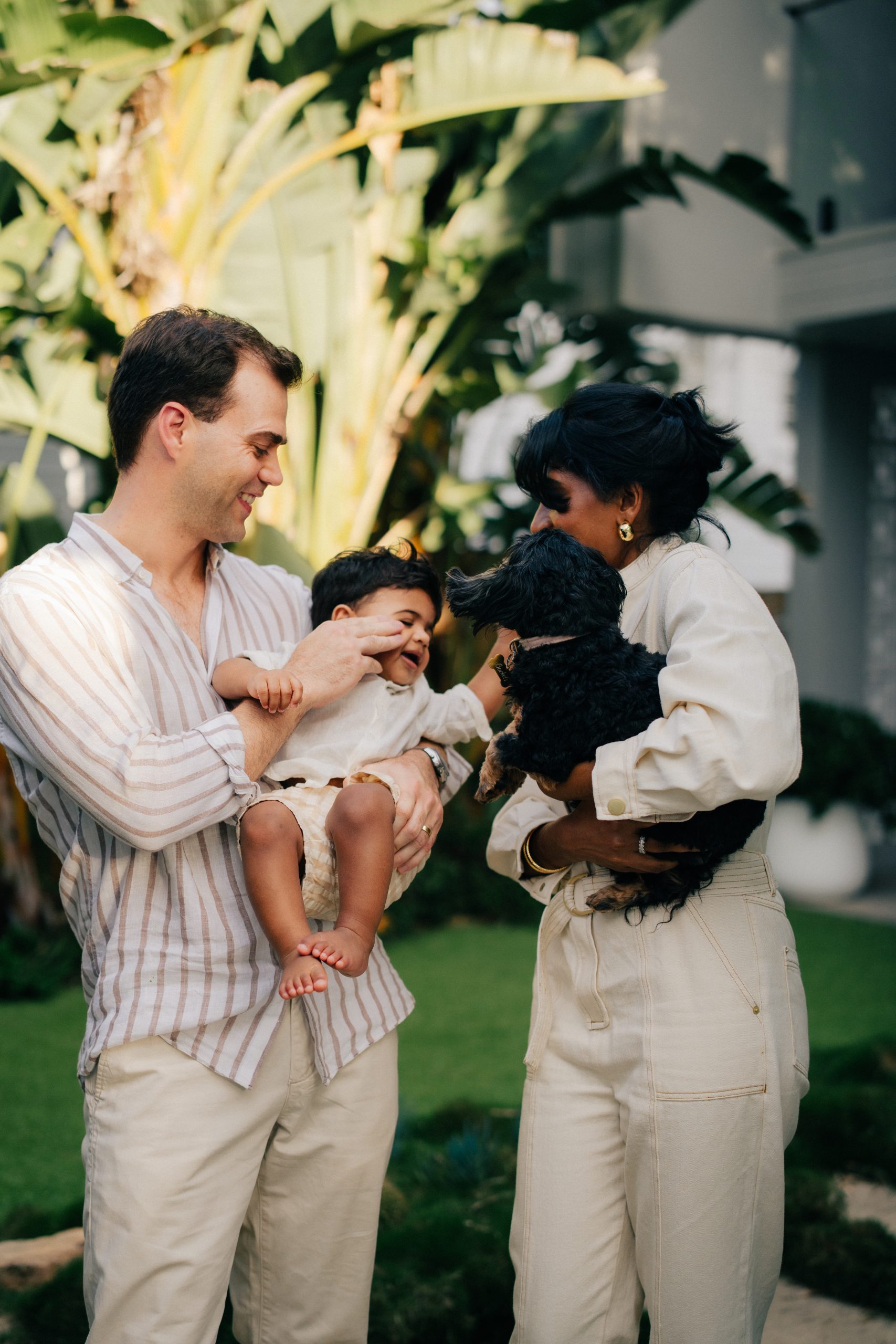
“I realised, I’m actually just not happy,” says Daars, who saw an executive coach. “For a long time, I was chasing goals that didn’t feel like mine. I’ve learned that happiness isn’t about validation, it’s about alignment. For me, it’s creating something I love, building a life with my husband Austin, feeling safe, creative, and at ease. I don’t need to wait to be happy; I can choose it every day by honouring what feels true to me.”
This self-discovery was a game-changer.
“I discovered what energises me and what I’m good at could be something different than I thought,” she explains.
She found her ikigai, the Japanese idea of what you’re simultaneously good at, what you love, what the world needs, and what makes you money.
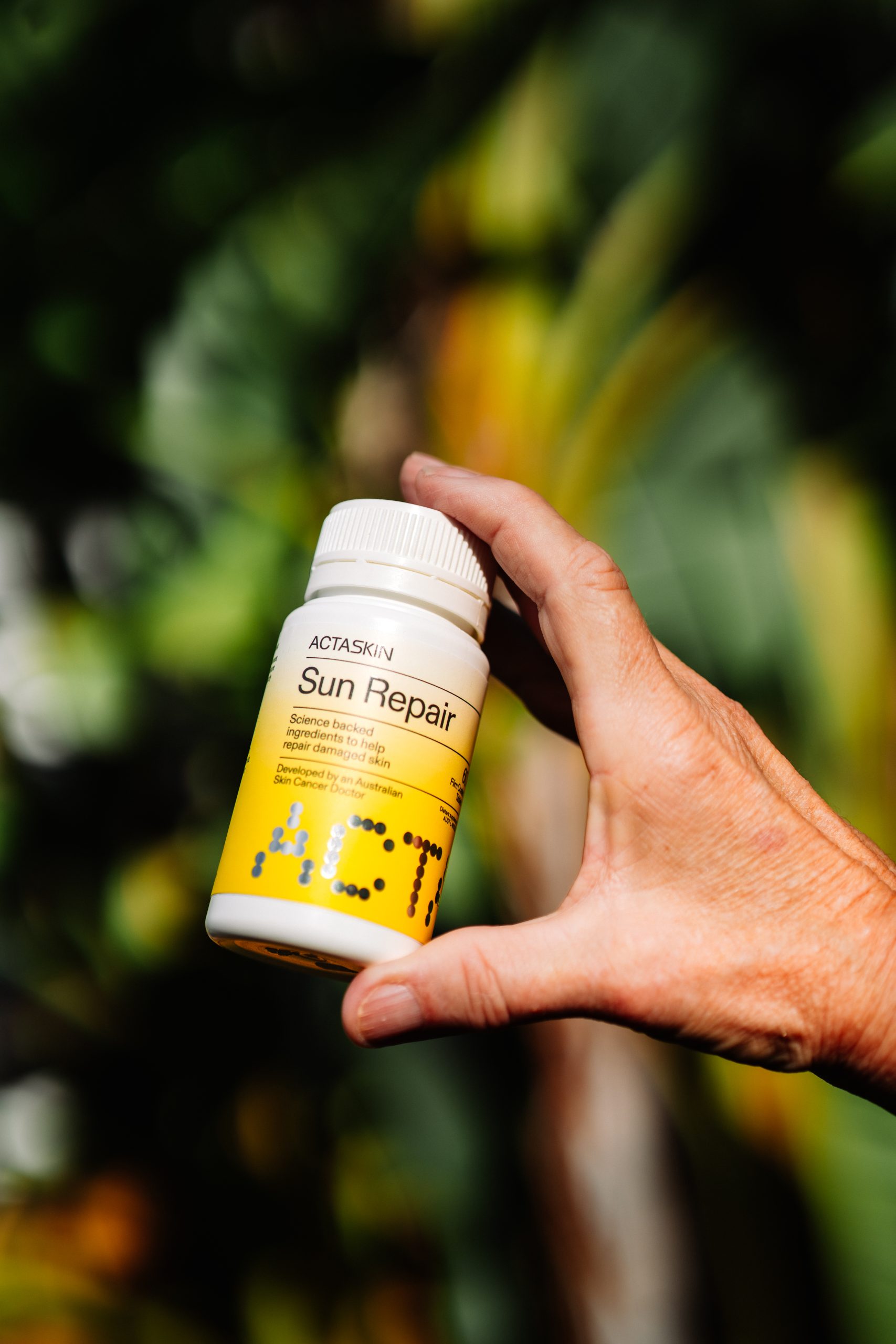
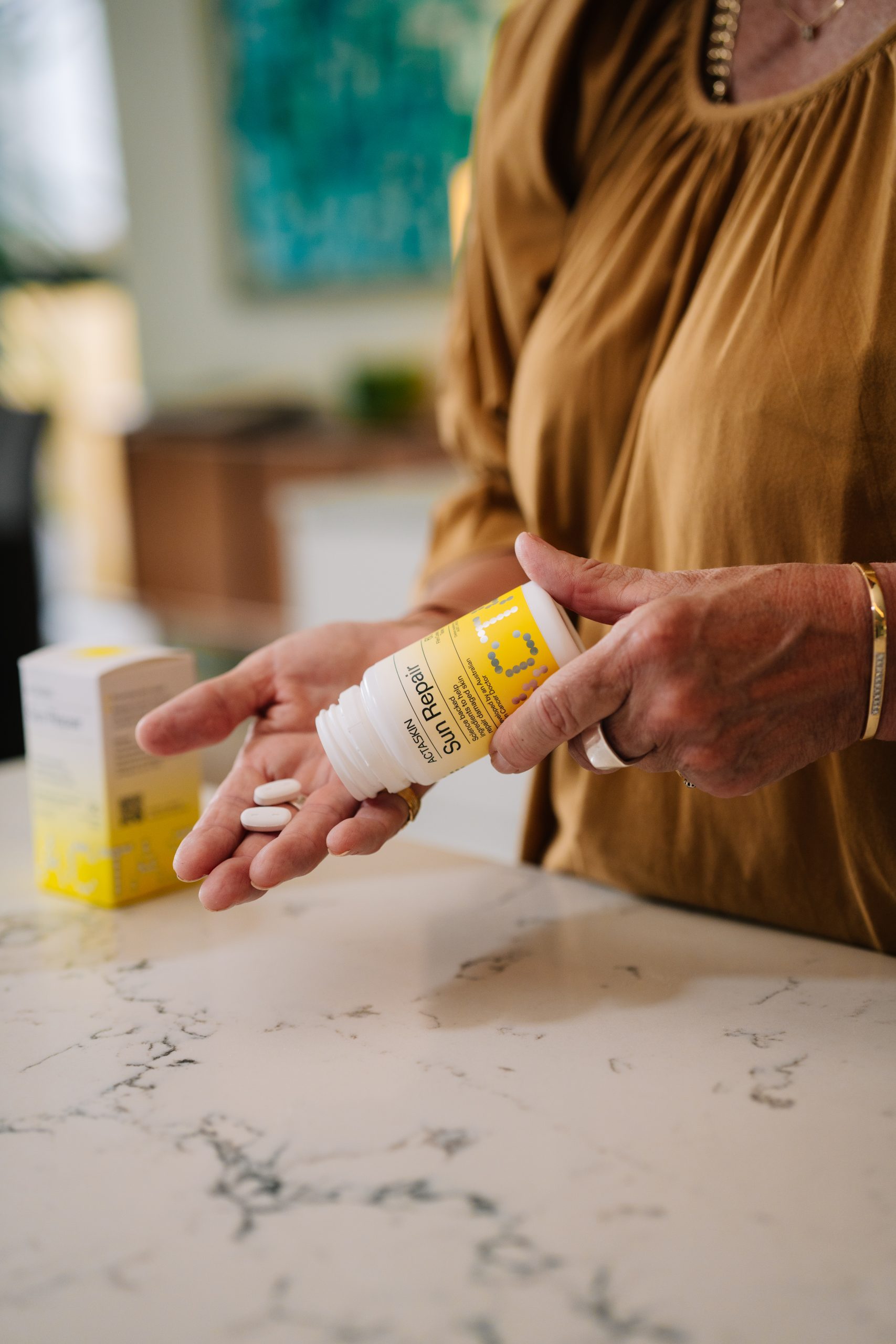
In May 2025, Daars launched Actaskin with her husband Austin Lang, a skin cancer doctor, with the mission to end skin cancers. This time, she has taken a different entrepreneurial tack. With a toddler, she deliberately chose not to build a venture capital-backed business that required breakneck scaling. “I don’t want that pressure,” she says. “I do not have the same energy, and my priorities in life are different.” As a result, “I’m probably more stressed, but I’m definitely happier.”
For aspiring entrepreneurs, Daars has this advice: “Be obsessed about the problem you’re trying to solve, and know why you’re the right person to solve it.” Assertiveness is non-negotiable, along with that cockroach-like resilience.
“With Actaskin, I’m not confusing speed with progress,” she says. “It’s okay to go slower, as long as you’re making progress, and building for the long term.”