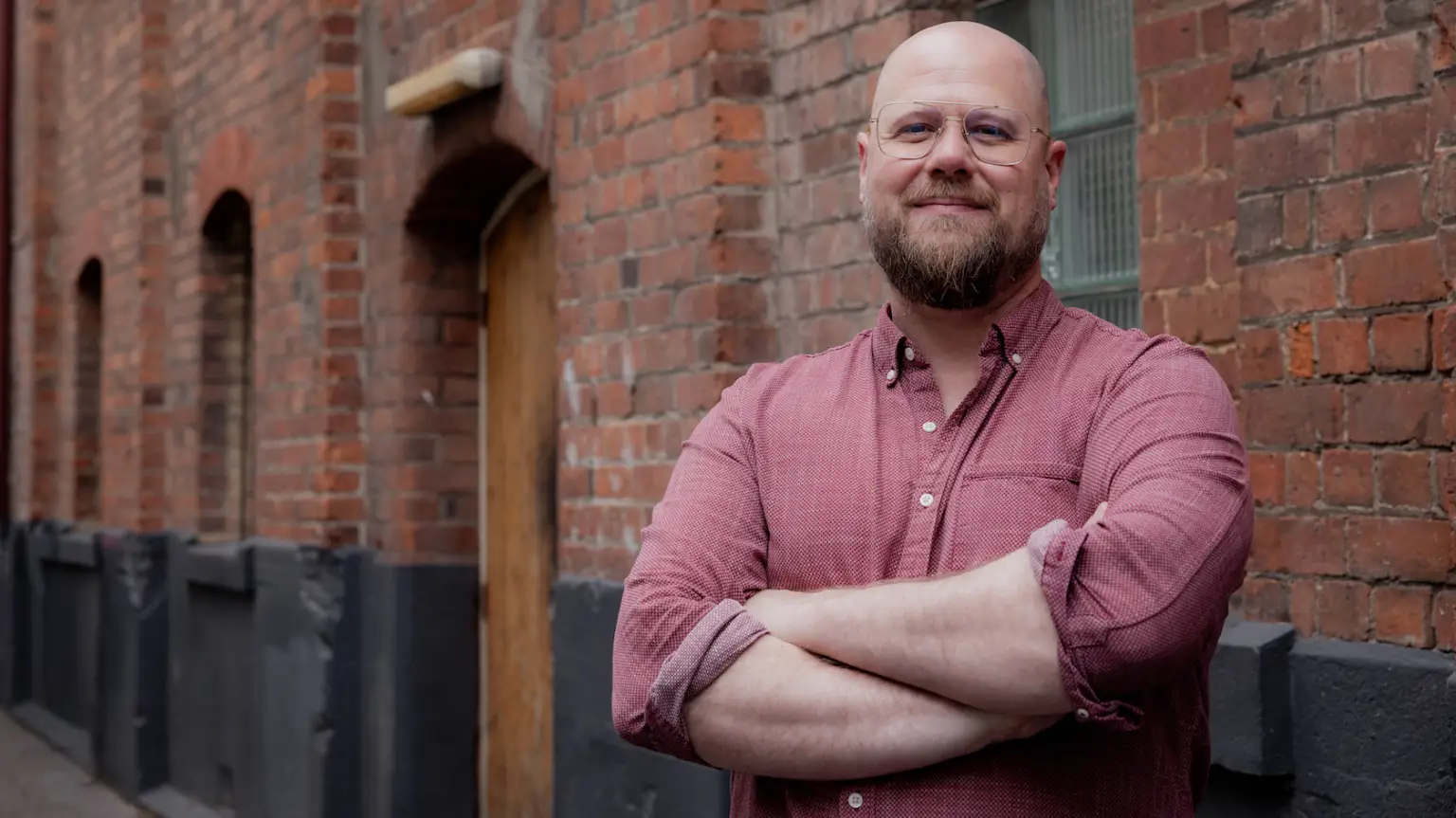
By Brian Collins, Founder, investor and executive
My career started in the mobile app space, back when we considered app developers as different from founders, which is a crazy thing to think of now. And in 2011, 2012, 2013, every party I went to, every event I went to, people would come and say, “I’ve got an idea for an app.”
I’d ask, “Okay, great, how are you building it?”
“I don’t know. I want to give you the idea for the app, and then can you go build it?”
For most of the last 25 years, that gap was the whole story. The biggest impediment to building something was the building. It was the technical expertise to actually get the thing up and running. If you had the idea but not the build skills, you were stuck at the party, pitching strangers.
That world is gone. Because we have no-code and low-code and AI tools that can ship things so quickly, the building becomes the decision-making.
Read that again, because it flips 25 years of startup advice on its head. Forever, entrepreneurs were told: get out there and build, get out there and build. Ship fast, learn fast. That advice made sense when building took months and cost hundreds of thousands of dollars. It makes much less sense when a working MVP is days away for almost anyone.
The new first step
So here’s what I now tell every founder and every corporate team I work with: before you become the builder, become the expert.
Take a step back and spend real time on research. Spend time understanding the core problem. You may never be the overall expert, but you will be one of the top experts, at least in this, for right now. And that builds your decision-making, so every quick decision you make moving forward is built into real research, real data, that you pulled in before you even jumped into something.
Even if you only spend two or three weeks on this before going out, it completely changes the way that you build. And it doesn’t take as long to build as it used to, so you have the time. Use it.
We’re putting our money where our mouth is. At Enterprise Tasmania, we rebuilt our program for early-stage entrepreneurs and made stage one the research stage. We’re already getting way larger outputs from these founders than we would have had from many of our other programs, because we started with that research question.
The hard part isn’t the research itself. It’s the humility. The people who struggle most with this are the ones furthest into their careers, because they got there by knowing how the world works. Taking a step back means questioning that. Building up a new body of research, and then confirming your opportunity mapping: if you have opportunities from that research, map them onto the opportunities you thought existed in advance. Where they don’t line up is exactly where your best decisions will come from.
This isn’t just a founder thing anymore
For a long time, if you wanted to be a doer, it was easier to leave the safety of the corporate job and move into entrepreneurship. Large organisations have momentum, stability, market share, cash in the bank. But if you were keen on building, it was faster to spin out.
That’s changing too. I’m talking to more and more corporate leaders who are looking at building small cross-functional teams that are focused on building. Teams that take something from zero to one, test it with the right business unit, hand it off, and go back to building the next thing. And that zero to one, as we call it in the startup space, that earliest, hardest stage to quantify, that’s the part that takes the most effort to learn. It’s also the least aligned with standard corporate thinking.
The biggest misalignment is risk. Most corporate thinking considers risk in terms of big bets. My challenge to large organisations has always been: could you not spread the risk out? Could you not start with a smaller amount and then graduate that risk as it is being proven? That’s what we do in startup land. A $20,000 experiment before the $2 million project.
“Take a step back and spend real time on research. Spend time understanding the core problem. You may never be the overall expert, but you will be one of the top experts, at least in this, for right now.”
Years ago we ran an internal program with a very large international bank. Two days, structured, permission to walk away from the day job and finally build the thing. One team’s project didn’t win. I don’t think it even scored in the top three. At the end of judging, another executive said to the CFO, “I’m sorry your team didn’t do well.” The CFO’s reply: “They weren’t pitching to you, they were pitching to me, and I’m going to green-light that project on Monday.”
That project saved the organisation $180 million in year one. Year one.
That’s what happens when you separate real failure, the regulated, catastrophic kind that rightly carries consequences, from the small kind. A pitch that lands flat. An experiment that doesn’t get taken up as quickly as you thought. Failure is fine. Failure is a learning. The organisations that can hold both of those truths at once are the ones that will keep their builders instead of watching them leave.
Because that’s the real shift. Entrepreneurship at its core is a doer mindset. It’s not just talking about a problem, it’s rolling up your sleeves and wanting to actually work through it. It’s backing yourself. And for the first time, backing yourself no longer requires leaving. The tools, the methods and the playbook now work just as well inside an organisation as outside one.
Which means a lot more people need to think like an entrepreneur.
–
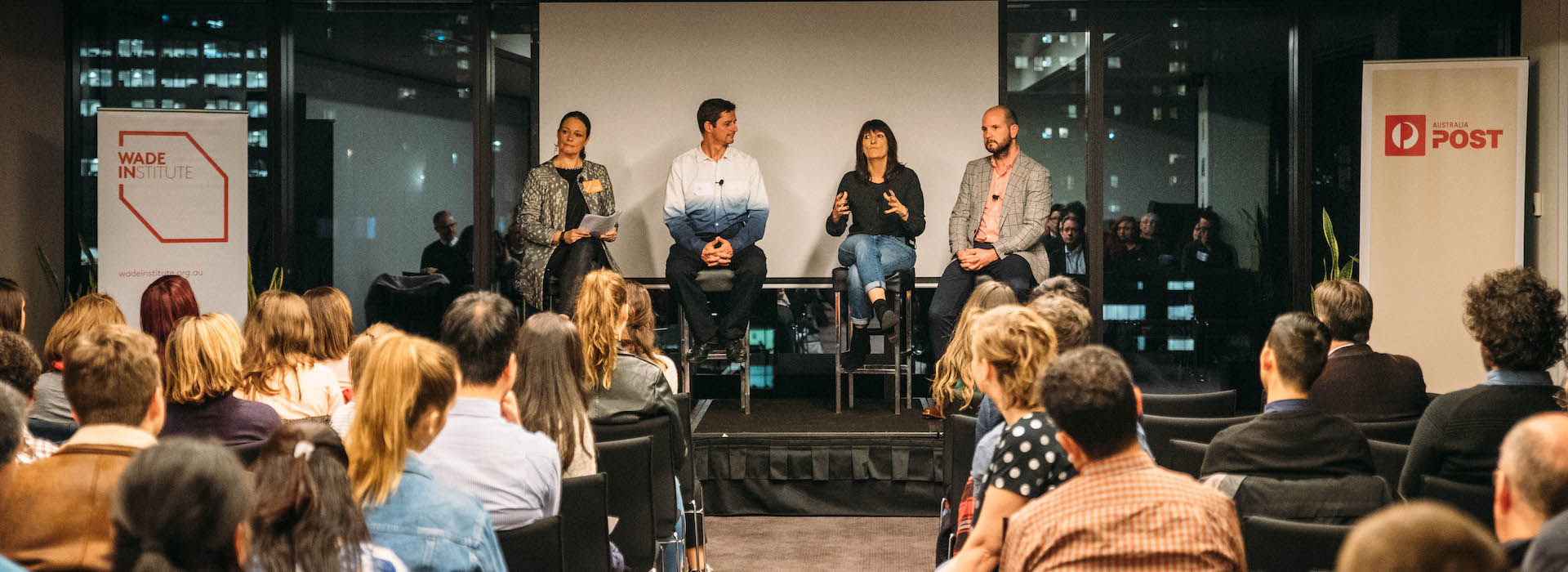
Brian Collins is CEO of Enterprise Tasmania and has built startup programs for 15 years, working directly with more than 100 companies. He is the co-creator of Think Like An Entrepreneur, a three-day intensive program at the Wade Institute of Entrepreneurship.
Listen to Jessica Christiansen-Franks, Wade’s Managing Director, talk more about entrepreneurial practice and mindset.